Budget Tech
Refurbished iPhone vs New in 2026: Is It Worth It for Students on a Budget?
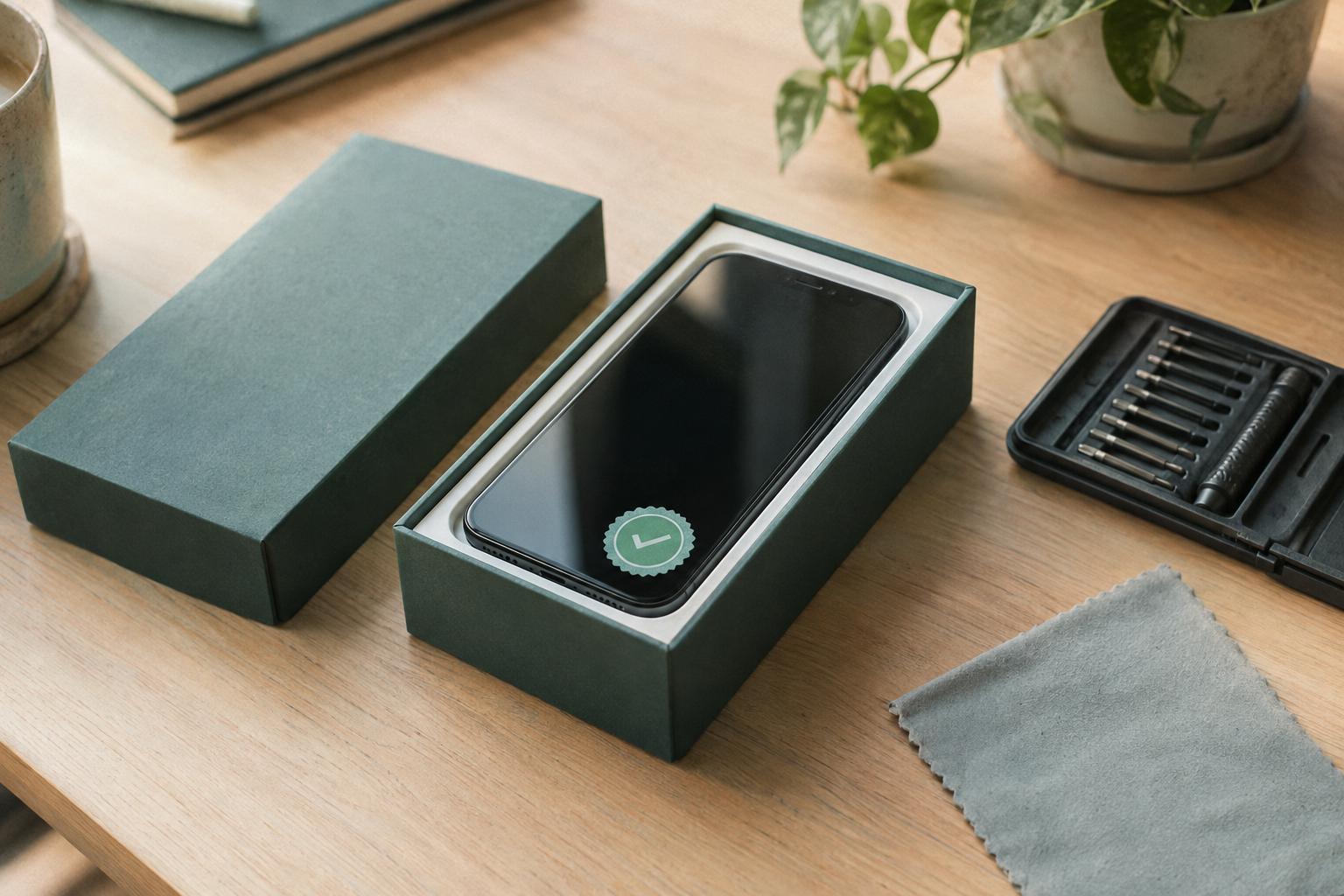
My current phone, bought refurbished, delivered in packaging like this.
My laptop was already stretching my budget, so when my old phone's battery started dying by 3pm, buying a brand-new iPhone wasn't really on the table. I ended up buying a refurbished one instead, and two years later it's still my daily phone. Here's what I'd tell any student considering the same trade.
What "refurbished" actually means
A refurbished phone is a used device that's been inspected, tested, cosmetically graded, had any faulty components replaced, wiped of the previous owner's data, and resold, usually with some form of warranty. This is different from "used" (sold as-is, no guarantees) and different from "new" (never activated, sealed box). Reputable refurbishers test battery health, screen function, cameras, buttons, charging ports, and biometric sensors (Face ID/Touch ID) before listing a device.
Understanding grading systems
Most marketplaces use a version of the same three-tier cosmetic grading system. The exact names vary slightly by seller, but the idea is consistent:
- Like new / Excellent: No visible scratches or only extremely minor micro-marks under close inspection. Looks essentially new.
- Good / Very Good: Light, visible signs of use: small scratches on the frame or back, but the screen is typically clean. The most common sweet spot for price vs. condition.
- Fair / Correct: Clearly used, with visible scratches, marks, or minor wear that doesn't affect function. The cheapest tier, best if you'll put it straight into a case anyway.
Grading is cosmetic, not functional: a "Fair" grade phone should still pass the same functional checks as a "Like New" one. If a listing doesn't separate cosmetic grade from functional testing, that's a signal to look elsewhere.
The one number that matters most: battery health
Battery health is the single most important spec on a refurbished phone, more than cosmetic grade. On iPhone, this is shown as a percentage of the battery's original design capacity (visible in Settings → Battery → Battery Health once you own the device, and it should be disclosed by the seller before you buy).
Rule of thumb: Look for 85% battery health or higher on a refurbished iPhone. Below 80%, you'll likely notice faster daily drain and may need a battery replacement sooner, so factor that into the price you're willing to pay. Reputable refurbishers replace batteries below a certain threshold automatically before resale; check the listing or ask before buying if it isn't stated.
"A 91% battery at a lower grade beats a scratch-free screen sitting on a battery that's already tired."
Warranty differences you need to check
This is where refurbished purchases vary the most, and it's worth reading the fine print:
- Marketplace refurbishers (like Back Market and similar platforms) typically offer their own warranty, commonly around 12 months, separate from Apple's warranty. It's provided by the individual refurbisher/seller and backed by the marketplace's guarantee policies.
- Carrier or manufacturer refurbished programs sometimes include a shorter standard warranty (often 90 days to 1 year) but may offer smoother support if something goes wrong, since you're dealing with a single company rather than a third-party seller.
- Private resale (marketplaces without formal refurbishment, or classifieds) usually comes with no warranty at all. This is the highest-risk option and generally not worth the small savings for a primary device.
Always confirm: how long is the warranty, does it cover battery degradation specifically, and is return shipping covered if the phone arrives faulty.
Where it's safe to buy
Stick to platforms that publish their grading criteria, battery health disclosure, and warranty terms up front:
- Back Market: a well-known refurbished electronics marketplace operating across the EU, aggregating multiple professional refurbishers with a standardized grading and warranty policy.
- Comparable European refurbished-electronics marketplaces with similar standardized grading and warranty models are worth checking too. Compare warranty length and return windows side by side before deciding.
- Carrier or manufacturer refurbished programs: check your mobile carrier's own store and Apple's official refurbished store where available in your country; these are reliable if the price is competitive.
- University marketplace groups and student Facebook/WhatsApp groups can have good private-sale deals, but you lose warranty protection. Only worth it for a low-stakes secondary device, not your only phone.
Total cost of ownership: the actual math
The sticker price isn't the full comparison. Here's the framework I used when I bought mine:
| Factor | New iPhone | Refurbished (Good, 85%+ battery) |
|---|---|---|
| Upfront price | Highest | Often 30-50% lower for a 1-2 year old model |
| Warranty coverage | Full manufacturer warranty (typically 1 year, extendable) | Usually shorter or third-party; confirm terms before buying |
| Expected remaining lifespan | Longest, especially for battery longevity | Shorter runway before a battery replacement may be needed, factor in that cost |
| Resale value at graduation | Higher resale value in absolute terms | Lower absolute resale, but you paid less to begin with, often similar % retained |
| Environmental impact | Higher, new manufacturing | Lower, extends the device's usable life |
For most students, the math favors refurbished: you're typically looking at a 1-2 generation old model, in "Good" condition, with 85%+ battery health and at least a 12-month warranty, for meaningfully less than a new phone. That's money that can instead go toward rent, textbooks, or that €50-a-month savings plan. The exception is if you specifically need the newest camera or chip for coursework (e.g., film or design programs); in that case, new may genuinely be worth the premium.
My actual checklist before buying
- Battery health disclosed and at least 85%
- Grading system clearly explained, with separate cosmetic and functional notes
- Warranty of at least 12 months, with return shipping covered
- Clear return window (I look for at least 14-30 days) in case something's wrong on arrival
- Seller reviews specific to phone condition, not just delivery speed